

Dermal fillers are a popular choice for anyone looking to achieve a more youthful appearance without surgery. These injectable treatments can smooth out wrinkles, add volume, and enhance facial contours. Whether you're dealing with fine lines around your mouth or want fuller cheeks, dermal fillers offer a versatile solution.
Dermal fillers are made from various substances that are naturally found in the body or synthesized to mimic these natural elements. Once injected, they help to plump up the skin, fill in wrinkles, and enhance facial features. The procedure is quick and typically involves minimal downtime, making it a convenient option for people with busy schedules.
What Are Dermal Fillers?
Dermal fillers come in various types, each designed to address different aesthetic concerns. Some of the most common types include hyaluronic acid fillers, calcium hydroxylapatite fillers, poly-L-lactic acid fillers, and polymethylmethacrylate (PMMA) fillers. Hyaluronic acid fillers like Juvederm and Restylane are popular for their ability to provide natural-looking volume and hydration to the skin. Calcium hydroxylapatite fillers such as Radiesse are known for their long-lasting effects and natural results. Poly-L-lactic acid fillers like Sculptra stimulate collagen production over time, providing gradual and longer-lasting improvements. Lastly, PMMA fillers such as Bellafill offer a more permanent solution for deep wrinkles and volume loss.
These fillers enhance appearance by adding volume to areas that have lost fullness due to aging or other factors. When injected into the skin, they fill in wrinkles, fine lines, and hollow areas, providing a smoother and more youthful appearance. Hyaluronic acid fillers attract and retain water, giving the skin a plumped-up look. Calcium hydroxylapatite fillers not only provide immediate volume but also stimulate collagen production for long-term benefits. Poly-L-lactic acid fillers work by encouraging your body to produce more collagen, leading to gradual improvements over time. PMMA fillers combine tiny beads with collagen gel to provide immediate volume and long-lasting results.
Benefits of Dermal Fillers
Dermal fillers offer several key advantages that make them a popular choice for cosmetic enhancement. First, they provide immediate results. Unlike some treatments that take weeks or months to show effects, dermal fillers plump up your skin right away. Another benefit is the minimal downtime involved. Most people can return to their normal activities immediately after the procedure. The quick and simple nature of the treatment makes it convenient for those with busy schedules. Additionally, dermal fillers are customizable, allowing providers to tailor the treatment to your specific needs and desired outcome.
Common areas treated with dermal fillers include the cheeks, lips, nasolabial folds (laugh lines), and under-eye areas. Fillers can add volume to the cheeks, making your face look fuller and more youthful. They are also used to enhance lip volume and shape, smooth out laugh lines, and reduce the appearance of under-eye hollows. This versatility makes fillers a go-to option for many different cosmetic concerns.
When comparing dermal fillers to other treatments like Botox and Dysport, it's important to understand their differences. While Botox and Dysport work by temporarily relaxing muscles that cause wrinkles, dermal fillers add volume to the skin. This means Botox and Dysport are typically used for dynamic wrinkles caused by facial expressions, whereas dermal fillers are used for static wrinkles and volume loss. Both treatments can be used together for a more comprehensive anti-aging approach, addressing different types of wrinkles and giving you a more youthful overall appearance.
The Dermal Filler Treatment Process
The process of getting dermal fillers is straightforward and typically involves three key steps: consultation, treatment, and aftercare. During the consultation, your provider will discuss your aesthetic goals and determine which type of filler is best suited for you. They will also examine your facial structure and skin condition to plan the optimal injection sites.
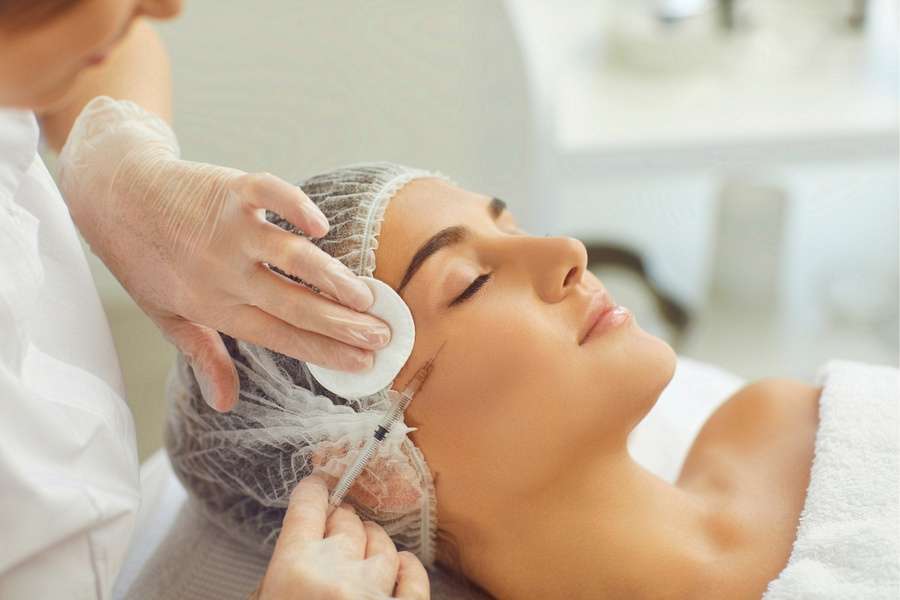
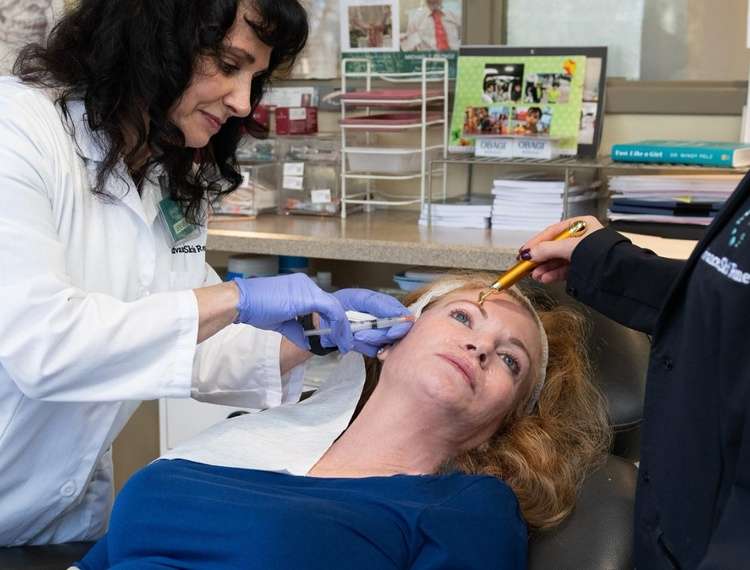
On the day of the treatment, the process begins with cleaning the targeted areas. In some cases, a topical anesthetic or numbing cream might be applied to minimize discomfort. The practitioner then injects the filler into the specified areas using a fine needle. The amount and placement of the filler are carefully controlled to achieve natural-looking results. The entire procedure usually takes 30-45 minutes, making it easy to fit into a busy day.
After the treatment, you may experience some swelling, redness, or bruising, which usually subsides within a few days. It's important to follow post-treatment guidelines to ensure the best results. Avoid strenuous activities, excessive sun or heat exposure, and touching the treated areas for the first 24 hours. Your provider will also advise on any other specific aftercare steps based on the type of filler used.
Maintaining Dermal Filler Results
The longevity of dermal filler results varies based on the type of filler used, the area treated, and individual factors such as metabolism and lifestyle. Hyaluronic acid fillers typically last six to 18 months, while calcium hydroxylapatite and poly-L-lactic acid fillers can last up to two years. PMMA fillers, being semi-permanent, offer results that can last five years or more.
To maintain the desired look, it's important to schedule maintenance treatments as recommended by your provider. This usually involves touch-up sessions every few months to a year, depending on the filler used and the area treated. Regular follow-up appointments can help you stay on track and make any necessary adjustments to your treatment plan.
Here are some tips for prolonging your dermal filler results
1. Follow a Consistent Skincare Routine: Use products that keep your skin hydrated and protected.
2. Avoid Excessive Sun Exposure: Wear sunscreen to prevent the breakdown of fillers.
3. Healthy Lifestyle Choices: Eat a balanced diet, stay hydrated, and avoid smoking.
4. Combine Treatments: Complementing fillers with other treatments like Botox or microneedling can enhance and prolong results.
Conclusion
Dermal fillers are an effective and convenient way to enhance your appearance and address signs of aging. With their ability to provide immediate results and minimal downtime, they have become a popular choice for many people seeking to improve their looks. Understanding the different types of fillers, their benefits, and the treatment process can help you make an informed decision about whether this treatment is right for you. With proper care and maintenance, dermal fillers can help you achieve and maintain a youthful, refreshed appearance.
If you're considering dermal fillers, our team at Advanced Skin Renewal is here to help. We offer personalized consultations to understand your goals and recommend the best treatment plan for you. Contact us today to schedule your appointment for dermal fillers in Westlake, OH!
Explore Dermal Fillers in Westlake, Ohio
Meet with the licensed Advanced Skin Renewal team for a personalized consultation and clear answers about options, risks, aftercare, and expected results.